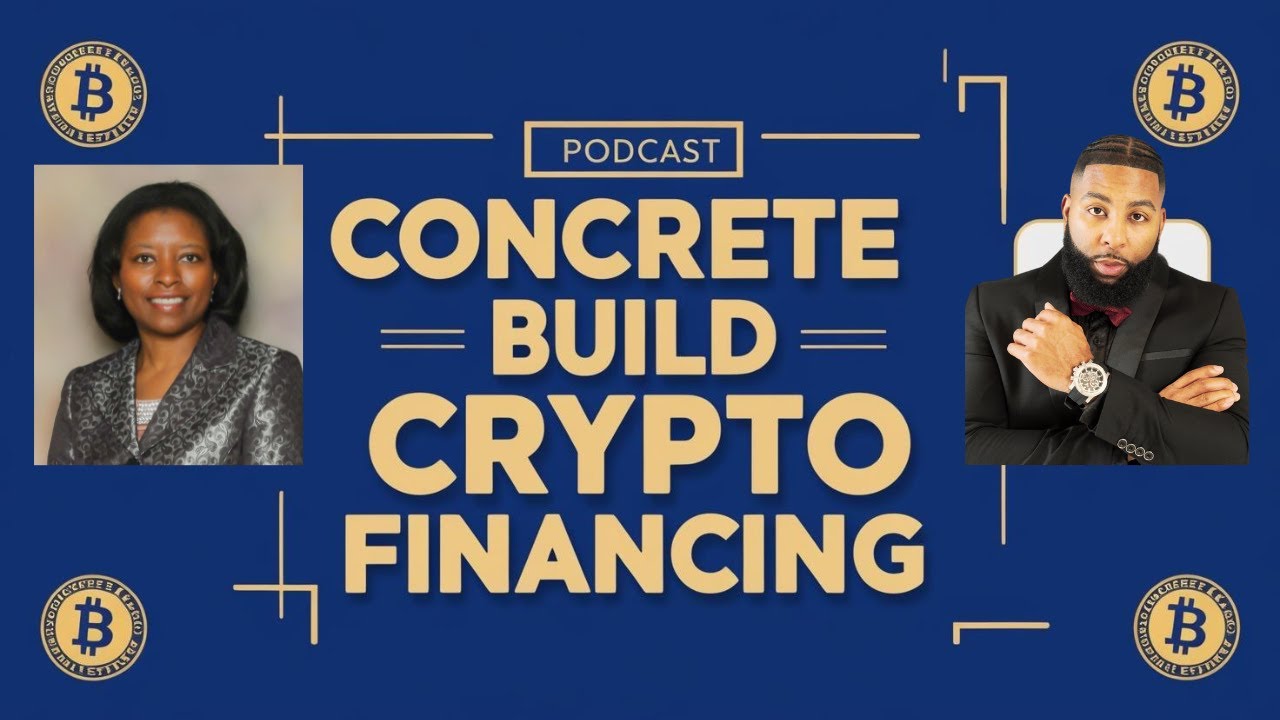
The Narrative Sells the Asset
I went on the Concrete Build Crypto Financing Show to talk about media authority and brand positioning, and ended up in a more interesting conversation about who gets believed when the thing being sold is unfamiliar.
The narrative sells the asset
In traditional real estate the asset largely sells itself. A building is a building. People know how to value it, they know what ownership means, and the category needs no explanation.
With anything genuinely new, that flips. You're not pitching the property. You're pitching a movement. Which means the narrative is doing the work the asset would normally do on its own.
That's why branding is not decoration in an emerging category. Everyone is skeptical of new things, and reasonably so. The only thing that gets you past that is doing it with visible integrity and saying it with your chest. People follow leaders far more readily than they follow companies.
The 97 percent nobody markets to
The host asked what most businesses are missing, and my answer was automation — specifically the nurture layer. Around sixty percent of small businesses don't have one.
Here's the arithmetic that makes the case. Roughly 97 percent of the traffic that reaches your website will not buy from you. Wrong time, wrong budget, not ready. Most businesses treat those people as a loss and move on.
But the three percent who are seriously considering aren't necessarily buying today. They might be buying in three months. The only question that matters is whether you're still in front of them when the day arrives.
He pushed back, reasonably: he deletes half the emails he gets. So do I. It doesn't matter.
Say you send twenty emails and someone opens four. That's four more contacts with your brand than the competitor they'd otherwise find on Google that morning. When the need becomes urgent and they open their phone, either your name is sitting there or it isn't.
There's a second effect that's less obvious. Sending consistently for two years signals things you never actually claimed. It signals longevity, that you're organised, that you're not about to disappear. If you can run an email programme for two years, you can probably handle their business. The subconscious does that arithmetic without being asked.
Know, like, trust — in that order
The most common mistake I see is skipping straight to trust and the sale. Wait, wait — we're not there yet. I don't know you. Why are you asking me for money?
They have to know you exist. Then like you. Then trust you. Only then does a transaction make sense. Most marketing fails because it's technically competent at step three while never having done steps one and two.
If you market to everyone, you market to no one
He asked how I'd approach reaching a specific commercial property audience, and the honest answer is that the targeting work comes before any of the tactics.
Who exactly are you after — the owner, or someone in middle management? What are the actual job titles? Then narrow geographically, because a national campaign spreads a modest budget into invisibility while a concentrated one can actually land.
Then build the mechanism to collect information, create content explaining what you do and why it matters to them, and automate the follow-up so people get nurtured rather than forgotten.
It's trial and error at the start. Finding the exact message, identifying the real pain point you solve, and assembling the combination of materials that resonates. Anyone promising otherwise hasn't done it.
Who we actually work with
Our clients run from international hotel chains down to solopreneurs six months in. But if I had to characterise it: entrepreneurs of color, particularly Black entrepreneurs, often women, roughly late twenties through fifties, and usually businesses in their first three to five years.
That's not a marketing position. It's just who we're best at helping, and being honest about it is more useful than pretending we're for everyone.
Watch the full episode
Listen to the full episode
Watch on YouTube | Listen on Spotify | Listen on Amazon Music
Episode 15: Building Authority and Equity. Concrete Build Crypto Financing Show with Dr. Nelva Lee, May 2025.
The nurture layer most businesses are missing is the thing Ignite Funnels exists to install.


